
Know About A1C Test
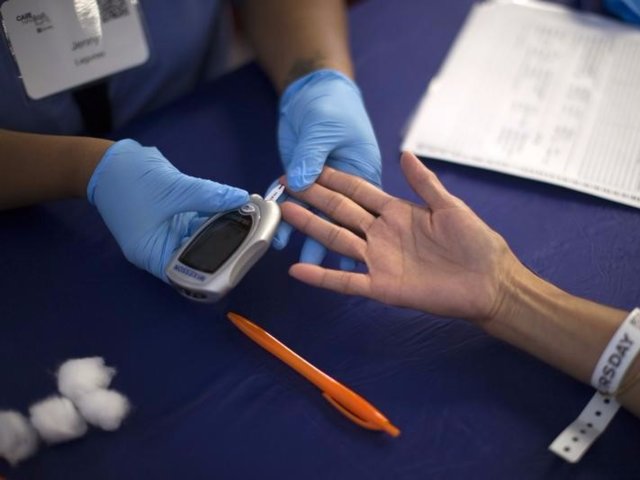
People with diabetes need to check their blood sugar every day. This keeps blood sugar and insulin levels steady and lowers the risk of going too low or too high. Checking often helps people learn how to control blood sugar with food instead of relying only on medicine. Still, the A1C test must be done regularly, usually every two months, according to doctors. Staying on top of this helps understand the body’s signals like holding a secret key to stop sugar chaos. Keep it up, and the amazing control gained over blood sugar will make a real difference in daily life.
What is A1C test as well as why is it vital?
A1C test is an approach of examining a diabetic individual’s sugar level for a longer amount of time. This examination is practically comparable to the everyday blood examination when it pertains to procedure. All the client would actually require is to contribute a little bit of blood, as well as submit it for screening. However, this check often reveals a much more concrete “background” of the individual’s ordinary blood glucose control.
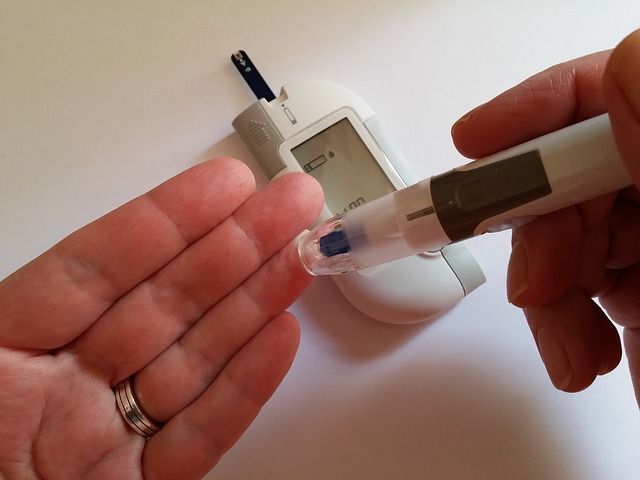
This is mostly used to identify whether the diabetic therapy plan of a particular individual is functioning. Modifications are generally made after each examination so as to suit the health and wellness demands of the diabetic person concerned. Basically, diabetics generally respond in a different way to prescribed diet regimens, medications and treatments – so keeping an eye on ways to lower a1c overnight level is generally crucial during the early analysis and treatment phases.
A1C is recognized by numerous terms, like: glycated hemoglobin, glycosylated hemoglobin, hemoglobin A1C, HbA1c, and Hb1c. This component of the blood is extremely trusted when it concerns recognizing the average sugar concentration in the plasma, also (and also specifically) after a lapse of 2 or 3 months.
The A1C examination relies upon the actual “memory” of the A1C hemoglobin. When the diabetic individual has high degrees of blood sugar for a specific week, that memory is embedded in the DNA framework of the A1C, specifically in the red blood cells. At the same time, that memory likewise tape-records degrees of blood glucose dipping listed below regular, or when the glucose continues to be consistent throughout the treatment duration. This memory can be kept for as long as the red cell remain alive – and that is roughly 120 days.
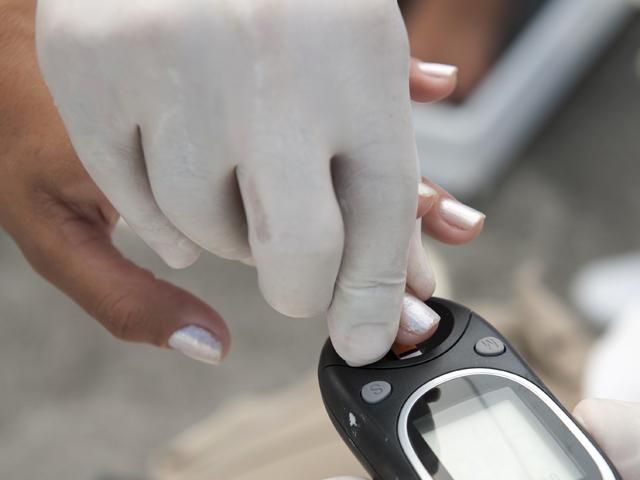
After that, the cells die as well as are rapidly replaced by various other A1C “memory” keeping red blood cells. This is mainly the reason why this crucial medical check must be conducted within a period of only a number of months. Every 2 months is most ideally, however allocations can be made for as much as 3 months, however say goodbye to. This is to make certain that the “memory” that the cells carry do have enough background for contrast.
Often, it is the individual with Type I diabetes that is needed to take the A1C test Diabetic Diets, Diabetic Food Preparation. However, senior individuals who are detected with Type II diabetes are occasionally advised to take the very same specifically when his/her blood sugar level degree does not stabilize or ends up being significantly unpredictable as the treatment advances.