
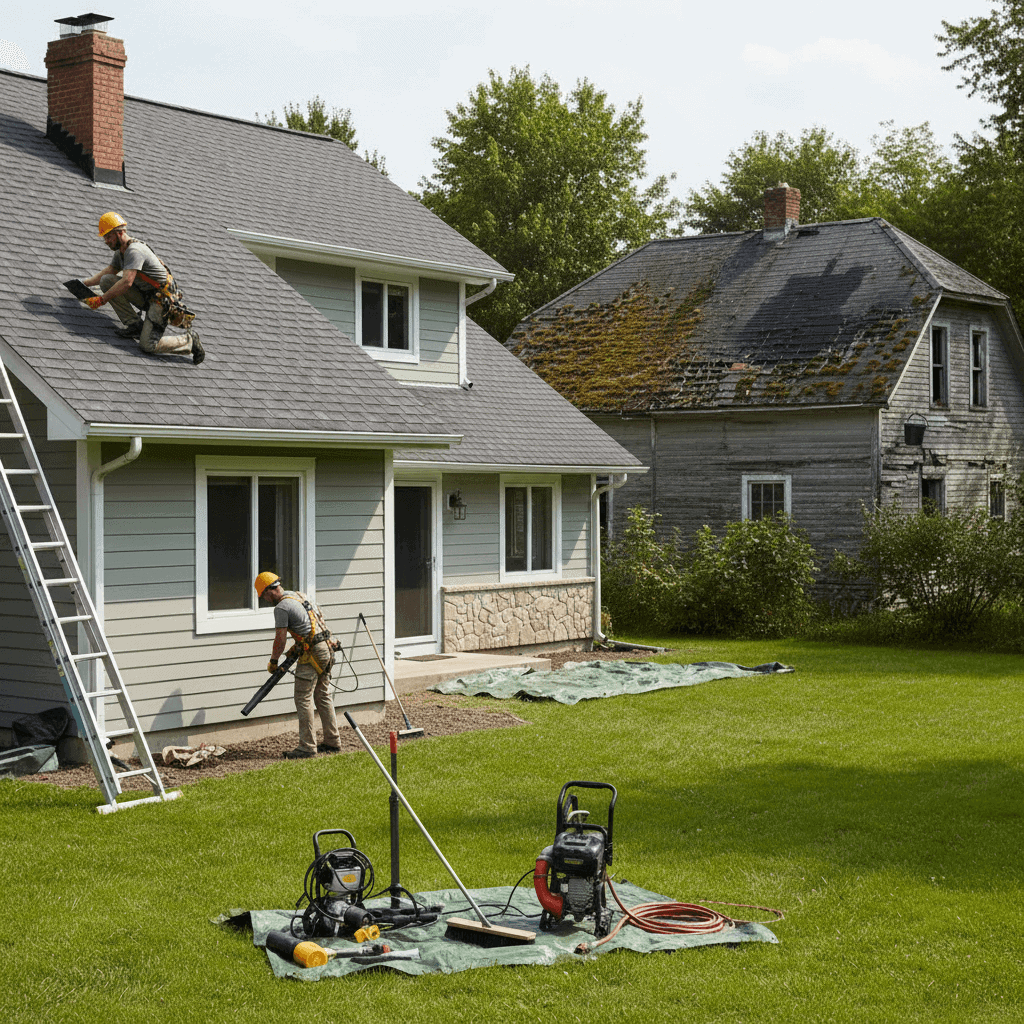
A Proactive Roof Care Plan Avoid Costly Problems Now
A proactive roof care plan stops costly problems before they start by taking simple, predictable steps to protect your home. Waiting for a leak to appear drains your wallet and causes headaches. A regular roof check saves money, extends how long your roof lasts, and keeps the inside of your house safe from damage. People who want to avoid surprise repairs will find this approach a lifesaver. Imagine skipping costly fixes and stress with easy roof care that keeps everything dry and solid. Keep reading to learn how to save big and keep your home safe without the hassle.
This article lays out practical actions you can take right away. I cover inspection rhythms, what to look for, simple maintenance you can do yourself, and how to decide when to call a pro. Real examples and actionable tips make this useful whether you own a house, manage rental properties, or oversee small commercial buildings.
Why a proactive roof care plan saves money and time
Homes with regular roof attention tend to avoid sudden failures that require emergency repairs. Small issues like missing shingles, clogged gutters, or torn flashing often start small and grow into problems that affect insulation, ceilings, and structural wood. Repairing a localized leak is often one tenth of the cost of replacing water damaged drywall, insulation, and flooring.
Regular checks also extend the life of roofing materials. Asphalt shingles, metal panels, and tile all age; timely fixes stop accelerated wear. For example, replacing a few damaged shingles each year can add several years to shingle life. That means you postpone the expense and disruption of a full roof replacement.
How to set a practical roof inspection schedule
Inspection timing should match local weather and roof type. A good baseline is twice a year. Aim for a spring review after winter weather, and a fall review before storm season. Add an inspection after any event that could stress the roof such as heavy wind, hail, or falling tree limbs.
For some roofs and climates the rhythm needs adjustment. Flat roofs near large trees may need quarterly checks for debris. Steep roofs exposed to frequent storms may benefit from an extra midseason check. The key is predictable timing and making a simple checklist for each visit.
Essential roof inspection checklist you can use
Use this checklist to make each inspection consistent. Take photos and notes so you can compare conditions over time. That helps you spot slow changes that precede larger problems.
- Shingles or roofing material condition look for curling, cracking, missing pieces
- Flashing around chimneys, vents, and skylights look for gaps, rust, or separation
- Gutters and downspouts check for clogs, signs of overflow, and secure hangers
- Roof valleys and saddles inspect for debris buildup and damaged materials
- Attic interior check for light showing through, damp insulation, and musty smells
- Sealants and roof penetrations assess for hardened or cracked caulk
Simple maintenance tasks to reduce risk
Small tasks done regularly prevent bigger work later. Many of these are safe for a homeowner who is comfortable on a ladder. If you are uneasy about heights choose a professional for the job.
- Clean gutters and downspouts restrain water flow damage
- Trim overhanging branches reduce impact and debris
- Replace missing shingles or tiles promptly limit water entry
- Clear debris from valleys and around flashings remove moisture traps
- Check attic ventilation and insulation prevent ice dams in cold climates
When to call a professional roof inspector
Some conditions need a trained eye and tools. Call a professional when you see significant shingle loss, major sagging, wide areas of water staining, or repeated leaks. Also get a pro if you find evidence of structural rot in the attic or widespread corrosion on metal roofs.
A professional offers a deeper inspection and can recommend repair versus replacement based on material life, local climate, and cost analysis. Professionals also have safe access equipment for steep or high roofs.
For trusted service options in many markets consider checking local listings and reviews. One firm with solid reviews and detailed articles about inspections is Infinity Roofers. Their resources can help you compare methods and service offerings before booking an on site evaluation.
Understanding common roof problems and realistic fixes
Knowing the most frequent failures helps you prioritize work. Below I break down common issues and practical responses that fit typical budgets.
Shingle damage and wind uplift
High winds lift edges and can remove shingles. Repair involves replacing damaged shingles and checking nail patterns. Upgrading to higher wind rating shingles makes sense for exposed sites. If wind has exposed underlayment plan a repair quickly as UV and moisture will worsen the problem.
Flashing failures and water entry
Flashing around chimneys and vents is a common leak source. Small gaps are often patched with roofing sealant. If flashing is corroded or bent, replacement is the safer long term fix. Metal flashing lasts longer when it is properly fastened and overlapped.
Cost planning and budgeting for roof care
Set aside a small annual budget for maintenance and minor repairs. A rule of thumb is to save one percent to three percent of the roof replacement cost each year. For a roof that will cost twenty five thousand dollars to replace saving a few hundred to several hundred dollars annually covers many small repairs before they require larger intervention.
Keep a repair log and receipts. That record helps when applying for homeowner insurance or selling the property. A well documented history of maintenance adds value and gives buyers confidence.
Practical tips for safer DIY roof maintenance
Safety first. Use a stable ladder, wear shoes with good grip, and avoid roofing work in wet or windy conditions. When in doubt hire a pro. Other practical tips follow.
- Work with a partner one person on the ground for ladder control and tool handing
- Use a magnetic sweeper or leaf blower to clear loose debris from gutters and valleys
- Keep small repair kits that include roofing cement, roofing nails, and replacement shingles
- Photograph problem areas before and after work for insurance and maintenance history
When you hire a contractor check for insurance, licensing where required, and references. Ask for a written scope of work and a warranty on materials and labor. Good contractors will explain tradeoffs and present options for cost and longevity.
How to prioritize projects after an inspection
Use a simple priority scale. Immediate means leaks, structural rot, or widespread missing material. Near term means small leaks, damaged flashing, or clogged drainage. Monitor means minor surface wear with no visible leak. Immediate needs get quick bids. Near term items can be scheduled into a maintenance window. Monitor items can be tracked with photos and checked on the next inspection.
Prioritizing helps smooth out spending and prevents emergency replacement costs. For rentals or business properties set a maintenance plan that assigns responsibility and funding. Predictable plans cut tenant disruption and liability risks.
Homeowners and property managers who implement this approach see fewer emergency repairs and longer roof life. Simple documentation, a modest maintenance budget, and timely professional help for tougher jobs protect value and reduce stress.
Conclusion
Adopting A Proactive Roof Care Plan Avoid Costly Problems Now is a practical decision that saves money, time, and hassle. Regular inspections, a short checklist, prompt small repairs, and sensible budgeting form the backbone of a durable roof program. Use the twice yearly inspection rhythm as a starting point and adjust for local conditions. Keep clear photographic records and a repair log so changes are easier to detect over time.
When a problem looks beyond a simple patch call a qualified roof professional to evaluate options. Proper flashing repair, re shingling, or addressing structural issues are safer and often less expensive when handled early. If you manage properties create a maintenance calendar, assign responsibility, and fund a small reserve for roof work.
Start today by scheduling your next inspection and noting any visible issues from the ground. If you prefer to have a pro evaluate your roof, request a walkthrough and compare a couple of bids so you understand the work and cost. Taking action now prevents costly fixes later and keeps your building dry and secure. Reach out to local providers for a no obligation estimate and book the inspection window that fits your schedule.